Legacy Acquisitions
Buying a beachfront home on Scenic Highway 30A is the ultimate real estate milestone in the Florida Panhandle. But operating on the frontline—where your property directly touches the sand of the Gulf of Mexico—is a completely different discipline than buying a street back.
Along this coast, a beachfront purchase isn’t just about selecting a layout; it is a complex decision involving dynamic marine environments, intricate state and local property boundaries, strict building regulations, and deep questions of generational legacy.
At Live 30A, we believe that beachfront real estate is the ultimate vehicle for stewardship, family gathering, and wealth preservation. This playbook was created to remove the complexity of purchasing on the Gulf, providing you with the exact local insights, structural data, an
Gulf-Front Milestones
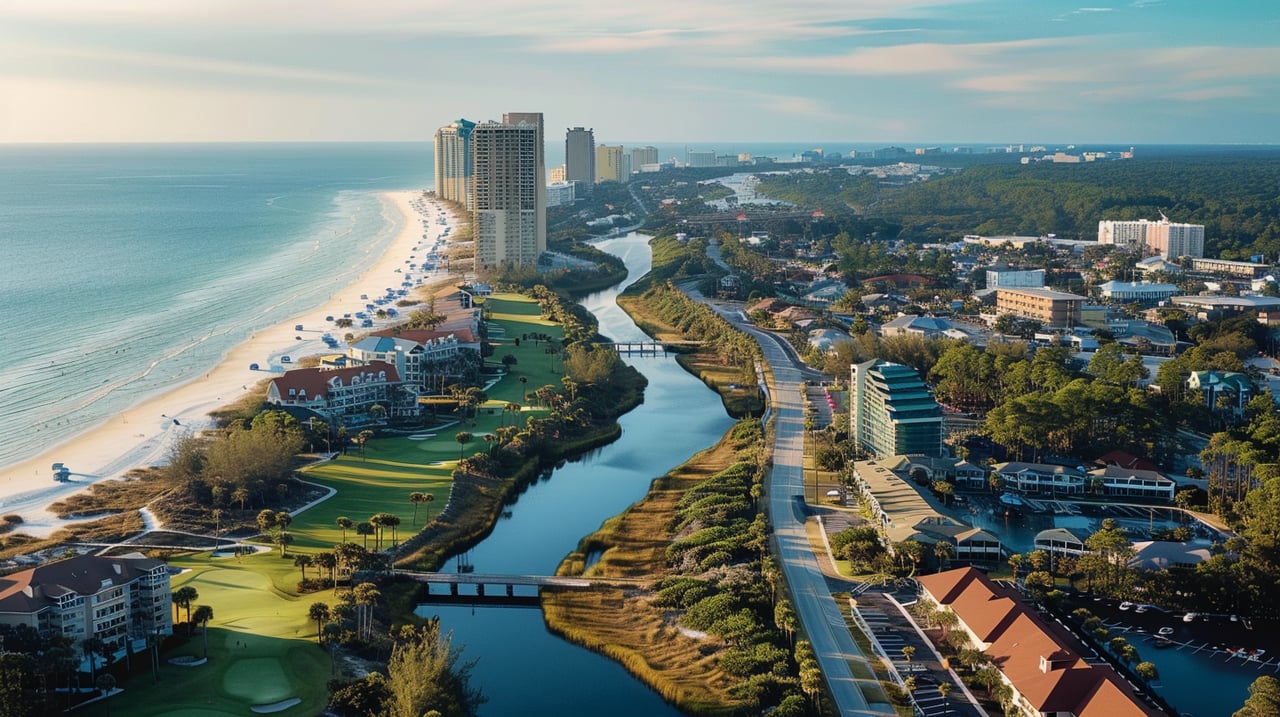
The appreciation of 30A’s beachfront real estate is driven by absolute, geographical scarcity. The corridor is physically locked in place: bounded by the Gulf to the south, Choctawhatchee Bay and Point Washington State Forest to the north, and state parks to the east and west. The land supply is strictly capped, making direct beachfront dirt some of the most valuable coastal real estate in the country.
To understand where the market stands today, we look at the historic milestones that have defined our coast:
Late 1990s
Direct beachfront parcels in Old Seagrove and a young, pioneering Seaside crossed seven figures, signaling the transition of 30A from a sleepy regional secret to a national luxury destination.
Mid-2000s
Prime beachfront lots in Rosemary Beach and expansive gulf acreage in Grayton Beach broke $5M, as buyers began placing equal value on architectural design and raw beach proximity.
2010s–2020
Scarcity took hold of the market. High-net-worth families began aggressively parking wealth in multi-generational real estate assets, driving East End estates past $10M, followed by the first $20M closed transactions during the post-pandemic migration.
December 2025
The market reached a historic peak with the record-shattering sale of 281 Paradise by the Sea Boulevard. The buyer purchased the three contiguous lots totaling 0.7 acres with a massive 11,457-square-foot Palladian-style home for $41,000,000. What defined this trade was the land play: the buyers acquired the asset specifically to redevelop the 180 feet of private Gulf frontage.
May 2026
Shortly after, a modern concrete masterpiece located at 53 Sea Castle Alley in Alys Beach traded for a cash price of $28,000,000. Built on a single lot with 53 feet of beachfront—dirt that originally sold for $9.475M in 2022—it proved that turnkey perfection combined with rare architectural design commands a massive global premium.
The Invisible Boundaries
When you look at a listing online, the property lines appear clear. On the ground, those lines are subject to complex legal definitions. Understanding exactly where your ownership ends and public access begins is critical.
Private Home / Duneline → Dry Sand (Varying Ownership) → Wet Sand (Public Trust) | |
↑ | ↑ |
In Florida, the wet sand—the area of beach south of the Mean High Water Line (MHWL) where waves actively wash over the sand—is public property held in trust by the state. As a beachfront owner, you cannot restrict people from walking, swimming, or sitting in this wet sand area. The MHWL is a moving boundary based on NOAA tidal data, meaning your physical property line naturally shifts with the seasons.
Walton County’s “Customary Use” legal landscape has been heavily litigated. Under the current legal framework along 30A:
Not all beachfront deeds are written the same way. When reviewing a boundary survey, pay close attention to three specific lot structures:
The CCCL is a regulatory boundary established by the Florida Department of Environmental Protection (FDEP) to protect our dune systems.
Buying vs. Building
For families and investors looking to secure a frontline presence on 30A, there are four primary paths. Each path carries distinct structural, time, and financial realities.
Development Insights
Building a custom home on the frontline of the Gulf of Mexico is highly specialized. To withstand salt-air corrosion, high wind zones, and potential storm surge, homes must be engineered like fortresses.
The Cost per Square Foot: For a high-end, fortified concrete and masonry custom home on the Gulf, building costs typically run between $800 and $1,500+ per square foot. In architectural enclaves like Alys Beach, expect a minimum of $1,000 to $1,200+ per square foot due to strict masonry and interior specification standards.
Coastal Engineering Requirements: Frontline homes require concrete or steel helical pilings driven deep into the stable load-bearing soil below the beach. Exterior envelopes must feature marine-grade finishes, impact-rated wind windows (such as Jeld-Wen or Euro-Wall), and commercial-grade waterproofing to handle the harsh coastal environment.
The Architecture & Build Team: Building on the Gulf requires a team that understands local setbacks, FDEP permitting, and high-wind engineering. Prominent local professionals we highly recommend include:
Architects: Geoff Chick (Geoff Chick & Associates), Darrell Russell (A Boheme Design), Khoury & Vogt (Alys Beach Town Architects), Gregory Jazayeri (Gregory D. Jazayeri Design), and Scott Merrill (Merrill, Pastor & Colgan).
Builders: Grand Bay Construction, Regal Stephens, Coastal Elements, Chris-Craft, Luke & Blue, Davis Dunn, and Galvas Construction.
East End vs. West End
30A’s 26 miles of coastline are culturally and geographically divided. Choosing the right end of the road will shape your daily lifestyle and the long-term performance of your property.
West End (Dune Allen, Blue Mountain) | East End (Rosemary, Alys, Inlet) |
Natural, high elevation dunes | Architectural, planned enclaves |
Uncrowded, quiet beachfronts | Gated, highly controlled accesses |
LSVs & street-legal golf carts | Walkable town squares, bike paths |
Wild Heron (Condos/SFH) | Kelly Plantation (Destin) |
Larger beachfront parcels | Record price-per-sq-ft premiums |
Neighborhood Enclaves
Sellers and buyers must weigh the structural differences between master-planned Planned Unit Developments (PUDs) and standalone neighborhoods like Seagrove and Dune Allen.
Metric | PUD Communities (Alys, Rosemary, WaterColor) | Unincorporated & Standalone Areas (Seagrove, Dune Allen, Grayton) |
Architectural Freedom | Strictly bound by neighborhood design books, pre-approved materials, and paint palettes. | High design flexibility. You can build everything from classic coastal cottages to glass-and-concrete modern fortresses. |
Beach Access Control | Private HOAs managed by keycards, wristbands, and private security patrols. | A mix of deeded private property, public county easements, and open beach transit lines. |
LSV (Golf Cart) Policy | Strictly restricted or banned entirely within neighborhood boundaries. | Highly accommodating for street-legal LSVs and family cruising. |
Rental Performance | Exceptional, consistent demand with premium nightly rates, heavily managed by community guest rules. | Excellent cash-on-cash potential. Offers layout flexibility (custom bunks, dual masters) to maximize large multi-family bookings. |
Property Conservation
Owning a beachfront home along 30A comes with responsibilities that are unique to our coast. Protecting the asset means actively participating in the care of the beach.
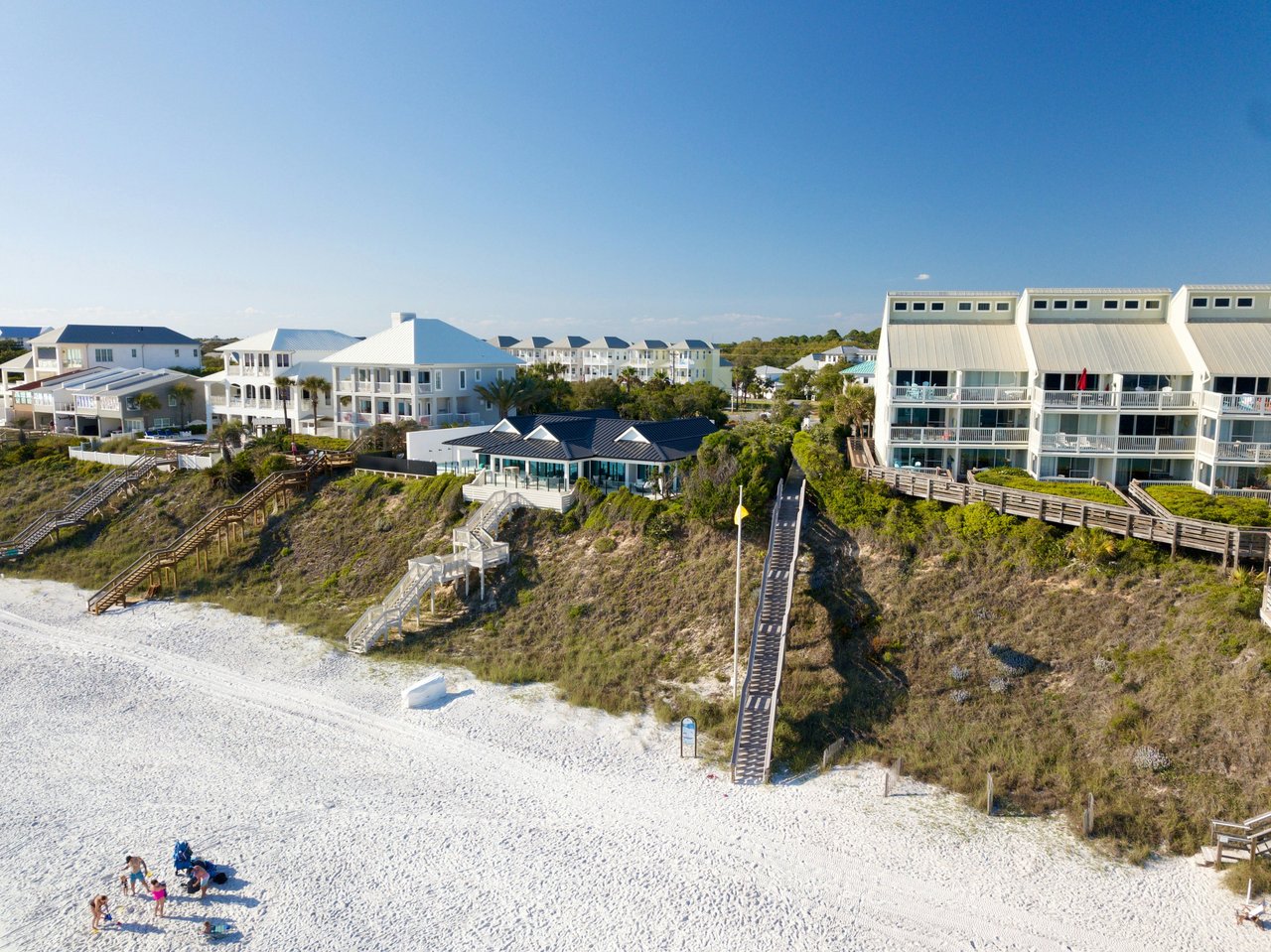
If your beachfront home is located immediately adjacent to a public beach access point, it will directly impact your property’s daily dynamic:
Our sugar-white sand and pristine dunes are the natural fortresses protecting millions of dollars of real estate. Stewardship of a beachfront asset requires adherence to critical environmental laws:
At Live 30A, we advise our beachfront clients with a long-term perspective. Real estate cycles will rise and fall, and building designs will evolve, but a single beachfront parcel along Scenic Highway 30A remains a completely finite, irreplaceable asset.
When you purchase a home on the frontline, you are stepping into a historical lineage of coastal conservation. By prioritizing architectural character, protecting our delicate dune systems, and enjoying slow mornings overlooking the water with the people you love, you are securing a legacy that will stand the test of time.
If you are ready to explore the beachfront opportunities quietly trading along our coast, let’s sit down, grab a cup of coffee, and map out your family’s next chapter.